1. Describe the floor and known activity incidents
Send wider room photographs, approximate measurements and available carpet instructions. Locate priority marks and explain what happened where known. A product label from a paint, glue or craft material may provide more useful context than a guessed substance based on colour.
Include earlier spot treatments and actions. Keep unconfirmed marks uncertain, and state whether the main aim is general cleaning or particular local attention. There is no need to diagnose every mark before enquiring.
2. Clear manageable objects before the agreed work
Collect small toys, hard fragments and personal belongings where safe, keeping them away from the equipment route. Describe furniture that stays and agree any larger movement. Do not drag a heavy storage unit across the carpet simply to reveal another patch for a photograph.
- Keep known craft-product information with the affected location.
- Show a concern that continues beneath a fixed object.
- Plan where room users can stay clear during treatment and aftercare.
3. Select treatment from the carpet’s requirements
Inspection considers fibres, backing, colour response, seams and current strength. Appropriate checks and reliable range guidance help establish compatible chemistry, moisture and mechanical action. The room’s activities do not establish one universal cleaning method.
A household product marked washable may still need context about the textile it reached and earlier attempts. The recommendation should connect the proposed process with the actual installed floor, including any repaired or replaced section.
4. Keep craft deposits and permanent changes distinct
Explain whether a mark hardened, spread or changed after a product was used. Deposits, transferred colour and physical pile change can need different expectations. Avoid scraping an uncertain patch or combining cleaners to prove what it contains.
Discuss achievable improvement after assessment. Cleaning cannot be assumed to reconstruct broken yarn or reverse every dye change. Keep any repair or restoration request separate from useful soil removal across the room.
5. Prepare and clean through connected removal stages
Appropriate dry preparation removes accessible loose particles while respecting the carpet’s condition. Selected local attention follows the incident information and material response. Broader cleaning then uses compatible products and controlled working to release remaining soiling from the included floor.
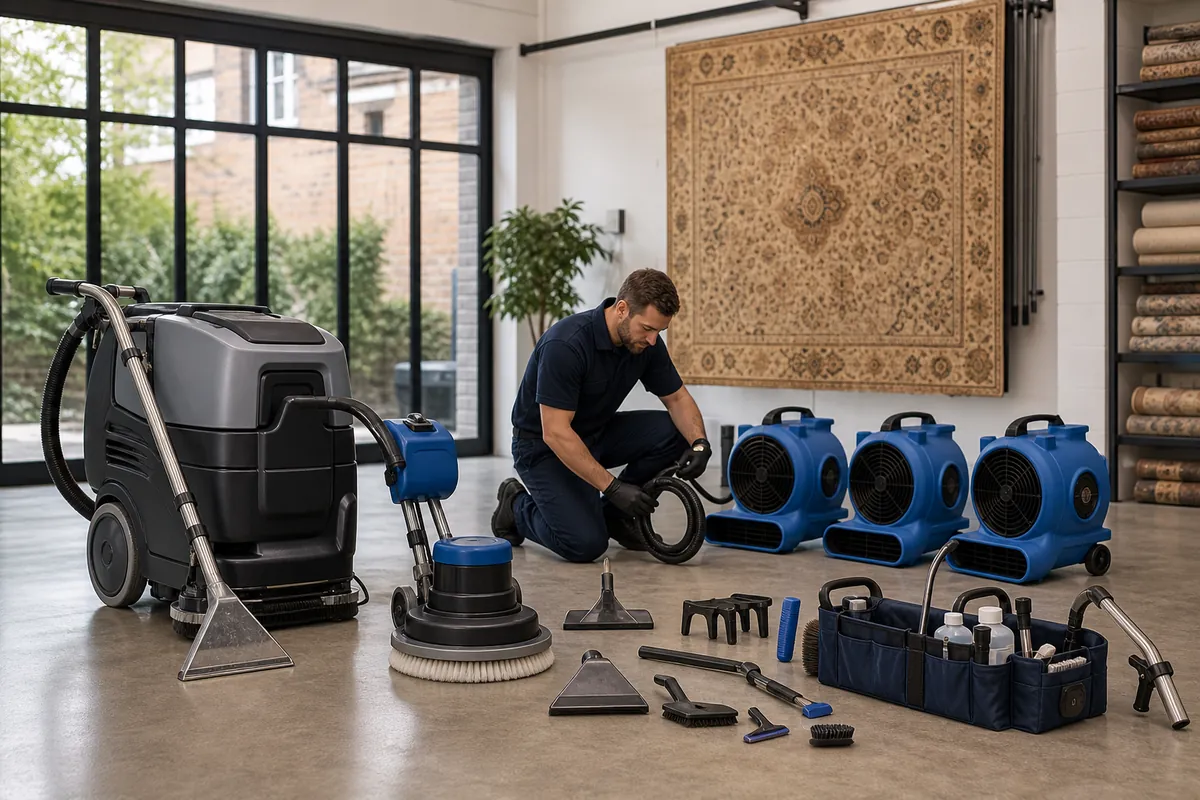
Where hot-water extraction fits, the tool applies controlled solution and recovers used liquid through suction with loosened dirt. Passes and removal are managed for the assessed construction. An alternative process should explain how introduced material is collected too. Application alone is not the complete service.
6. Return the activity room to use under guidance
Discuss airflow, furniture contact and the time the room is needed. Follow readiness instructions before allowing ordinary traffic or replacing coverings. Explain practical difficulties before booking so the household plan can support the selected treatment.
Review original concerns at the advised stage under similar light. Keep a later craft incident distinct from a mark already assessed. Note its timing and product before another home attempt changes the account.
7. Make the proposal describe the actual priorities
Provide room dimensions, access restrictions and known incident histories for the quotation. Clarify local attention, broader work and questions awaiting inspection. Furniture movement or another specialist task should remain explicit.
At handover, understand useful improvement and any lasting limitation. Share practical instructions with whoever restores the room. The cleaning explanation should remain about assessed soil removal and care rather than unsupported claims about the room’s hygiene.
8. Support ordinary care around play and craft use
Lift small hard objects before the advised vacuum action, and check the attachment for caught debris after working near an activity area. Keep known new incidents identifiable before several people attempt different products. Routine care should remain manageable across accessible carpet rather than concentrated force at the most colourful patch.
- Keep liquids and open craft products away from the planned care route.
- Store carpet guidance where another household cleaner can find it.
- Seek advice about a new snag before trimming the pile.