
Tea: a Fibre-Aware London Guide
This guide explains how tea relates to fibres, dyes, construction, staining, moisture and aftercare. It distinguishes safe general guidance from decisions that need inspection, helping London households avoid one-method-fits-all treatment and unsupported stain promises.
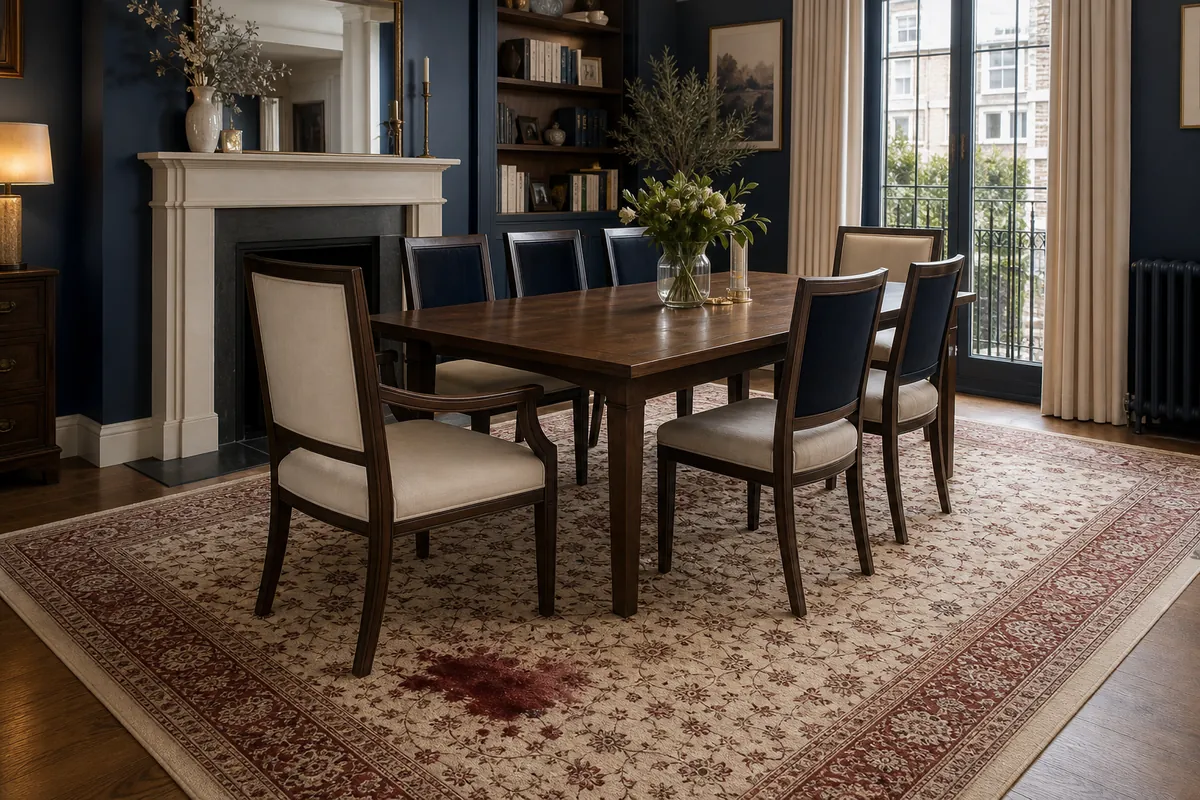
What to understand first: Tea
Tea requires decisions based on fibre, construction, dyes, condition and the type of soil present. In section 1, the practical focus is food marks, tracked grit, dust near radiators and seasonal moisture, together with access, moisture tolerance and previous products. Readers should avoid assuming that advice for handmade rugs transfers unchanged; testing and a conservative first step protect the textile.
Materials and construction: Tea
Tea requires decisions based on fibre, construction, dyes, condition and the type of soil present. In section 2, the practical focus is fine road dust, wet-weather grit and concentrated entrance wear, together with access, moisture tolerance and previous products. Readers should avoid assuming that advice for handmade rugs transfers unchanged; testing and a conservative first step protect the textile.
Inspection before treatment: Tea
Tea requires decisions based on fibre, construction, dyes, condition and the type of soil present. In section 3, the practical focus is pet hair, drink spills, dining marks and pollen carried through open windows, together with access, moisture tolerance and previous products. Readers should avoid assuming that advice for handmade rugs transfers unchanged; testing and a conservative first step protect the textile.
Common risks: Tea
Tea requires decisions based on fibre, construction, dyes, condition and the type of soil present. In section 4, the practical focus is muddy shoes, flattened traffic lanes, odour and grey soil around fringes, together with access, moisture tolerance and previous products. Readers should avoid assuming that advice for handmade rugs transfers unchanged; testing and a conservative first step protect the textile.
Cleaning choices: Tea
Tea requires decisions based on fibre, construction, dyes, condition and the type of soil present. In section 5, the practical focus is food marks, tracked grit, dust near radiators and seasonal moisture, together with access, moisture tolerance and previous products. Readers should avoid assuming that advice for handmade rugs transfers unchanged; testing and a conservative first step protect the textile.
Stains and limitations: Tea
Tea requires decisions based on fibre, construction, dyes, condition and the type of soil present. In section 6, the practical focus is fine road dust, wet-weather grit and concentrated entrance wear, together with access, moisture tolerance and previous products. Readers should avoid assuming that advice for handmade rugs transfers unchanged; testing and a conservative first step protect the textile.
Drying and handling: Tea
Tea requires decisions based on fibre, construction, dyes, condition and the type of soil present. In section 7, the practical focus is pet hair, drink spills, dining marks and pollen carried through open windows, together with access, moisture tolerance and previous products. Readers should avoid assuming that advice for handmade rugs transfers unchanged; testing and a conservative first step protect the textile.
When to seek specialist help: Tea
Tea requires decisions based on fibre, construction, dyes, condition and the type of soil present. In section 8, the practical focus is muddy shoes, flattened traffic lanes, odour and grey soil around fringes, together with access, moisture tolerance and previous products. Readers should avoid assuming that advice for handmade rugs transfers unchanged; testing and a conservative first step protect the textile.
Quick comparison
| Method | Often considered for | Moisture | Drying |
|---|---|---|---|
| Extraction | Tested durable fibres | Higher | Varies in London |
| Dry compound | Selected sensitive rugs | Low | Usually shorter |
| Low moisture | Maintenance cleaning | Low | Often shorter |
| Off-site care | Complex rugs | Controlled | Confirmed later |
Questions about tea
Is tea suitable for every rug?
No. Suitability depends on material, construction, dyes, condition and the cleaning objective.
Should a product be tested?
Testing helps, but a hidden-area test does not identify every structural or dye risk.
Can an old mark be guaranteed to disappear?
No. Safe improvement depends on stain chemistry, age, fibre damage and previous attempts.
When is professional assessment sensible?
Seek help for valuable, delicate, unstable, heavily contaminated or previously damaged rugs.
How should a rug dry?
Follow method-specific advice, provide ventilation and avoid foot traffic or furniture until safe.
What information helps a quotation?
Share dimensions, material, photographs, stains, previous treatments, access and postcode.