On-site service · Covent Garden · WC2B, WC2E, WC2H
Steam rug cleaning in Covent Garden
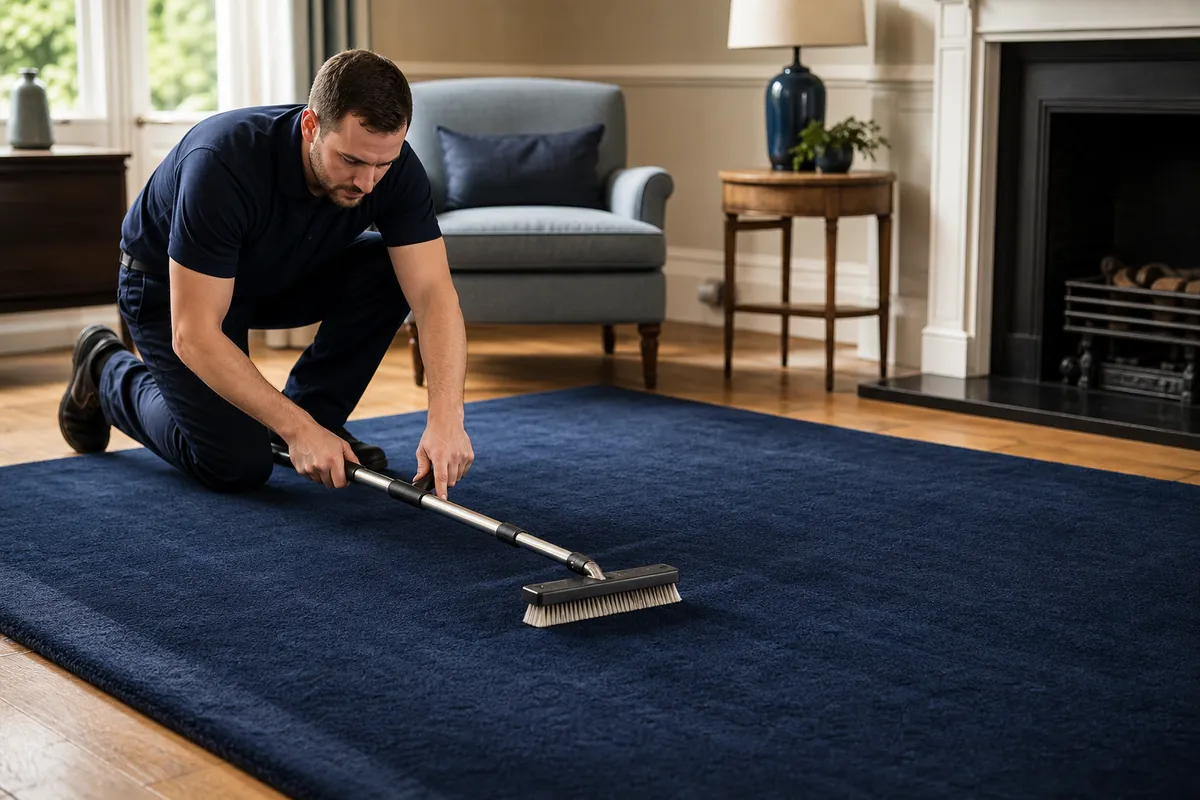
Our steam rug cleaning in Covent Garden uses on-site hot-water extraction with portable machines, where suitable for the textile. We inspect the rug, prepare the accessible pile and assess marks before controlled cleaning and recovery. The process introduces moisture and needs drying, with the result and room arrangements explained as part of the visit.
Mobile service in Covent Garden · Cleaning method agreed after inspection
Steam cleaning explained as an actual extraction process
When booking this service, you are arranging hot-water extraction at your property. A suitable cleaning solution helps release attached soil, and the machine recovers the used solution with contamination and moisture. The work is not simply passing vapour over a surface and expecting dirt to disappear. We inspect the rug and explain the process it can appropriately receive before starting. Portable equipment comes to your Covent Garden address, with preparation, local stain attention and the broader extraction organised into a clear sequence.
The service is selected for the rug’s present fibres, dyes, backing and condition. A particular spill can receive attention within the clean, while wear and permanent colour change are assessed separately from soil. Furniture movement and the reachable surface are agreed, and we consider the supporting floor before setup. Drying at the property follows moisture recovery and is included in the explanation. You receive practical cleaning and an understandable result rather than a promise based on heat, a stain’s appearance or a broad description of the rug.
We agree what the hot-water extraction service involves
The first discussion establishes the rug’s approximate size, the concerns you want addressed and its position in the room. Photographs help show the complete item and locate individual marks. Where several people know different parts of the history, we consider the useful observations without inventing a common cause. We explain the actual service: material assessment, dry preparation, suitable local treatment and controlled hot-water extraction, followed by drying at the address. The final scope and charge are confirmed after inspection before treatment.
This clarity matters because the word steam can imply different expectations. Our process releases and removes soil through machine application and recovery; it introduces moisture and is not described as dry cleaning. We do not attach sterilisation or universal stain-removal promises to heat. The method must fit the textile. You understand what is being booked and how it will work in the room, with the intended improvement tied to the actual rug rather than an assumed result from the service name alone.
Inspection selects suitable conditions for the textile
We examine fibres, pile depth, backing and accessible edges, looking for weakness, repairs and existing damage. Appropriate colour response checks guide compatible products and working action. The supporting layers may need restraint even where the pile looks robust. We explain the relevant findings before agreeing extraction and keep those limits in view as the work proceeds. A familiar design or a dense surface does not replace assessing how the whole rug is likely to respond to the proposed treatment.
If delicate or uncertain construction makes hot-water extraction unsuitable, we explain that before starting and do not proceed with inappropriate work. The company provides the on-site extraction service described, rather than an alternate process invented for the item. We also identify fading, abrasion and permanent staining where visible. These changes can remain after compatible soil removal. Setting that expectation gives the clean a realistic aim and helps you judge the result against the rug’s current condition rather than the appearance of an unworn sheltered patch.
What the steam cleaning service means in practice
Part of the process
Our assessment or action
What it establishes
Suitability
Check fibres, dyes and construction
Whether extraction can be agreed
Preparation
Collect accessible dry particles
Clear loose material first
Local concerns
Assess marks and earlier products
Appropriate targeted work
Moisture
Controlled application and recovery
A drying period is needed
Dry preparation takes loose material out first
Before solution is applied, we check the supporting floor, confirm the accessible area and any agreed furniture movement and set up the portable equipment. Suitable vacuum preparation then collects accessible grit, dust and hair from the pile. We work systematically over the included surface, adjusting handling around fringes and weaker details. Dry particles do not all need to be mixed into the moisture-based stage first. Removing them provides a clearer starting point for local treatment and the main extraction.
Preparation can show where attached deposits remain and where texture or shade differences relate to use rather than loose dirt. We use those observations to refine attention. Traffic areas may need particular work, but we do not repeatedly force worn fibres to make them match a protected corner. The preparation covers accessible margins as well as the middle. It has a purposeful removal role within the service, giving you a cleaner starting surface without treating a quick visual change as completion of the whole clean.
Illustrative image: selected attention before the main clean.
Selected local attention supports the broader clean
We assess marks individually, asking about known spills and earlier products where available. A drink residue, greasy patch or uncertain old stain may need different treatment, with fibres and dyes still governing the decision. Compatible products, suitable contact time and controlled working action help release contamination. The response is observed, with recovery of released material where needed. A persistent outline is not automatically a reason for stronger application or repeated wetting regardless of the textile’s limits.
A deposit can have two aspects: material that releases through suitable treatment and a lasting change to the fibres or colour underneath it. We explain the distinction when it is evident and describe the actual local response. The main extraction also has a useful role across the rest of the included rug, where general dirt may respond differently. Our review brings these outcomes into one account of the appointment, so the customer understands the selected attention at the concern raised and the wider removal achieved within the textile in its current condition.
Controlled application releases attached soil
For a rug assessed as suitable, the hot-water extraction stage applies selected solution under control to help release dirt held on the fibres. Working action and the pattern of passes are adapted to pile depth, backing and response. The accessible area is treated in an organised route, including reachable borders according to their construction. Our portable equipment carries out this work at your Covent Garden property, under the floor and furniture arrangement agreed before active cleaning begins.
We monitor the rug rather than use one fixed routine for every item. Concentrated soil can receive additional appropriate attention, but more heat or liquid is not by itself a measure of a better clean. A dark route involving wear or directional shading is assessed in that context. Application, working action and recovery are balanced throughout. The aim is compatible contamination removal within the agreed material limits, with a process you can understand beyond simply hearing a machine or seeing a wet surface.
Illustrative image: controlled extraction and recovery on site.
Extraction removes what the cleaning has released
The recovery stage takes used solution and loosened contamination out of the pile. We make suitable passes across the treated rug and add moisture recovery where appropriate. Removal is central to completing the service, not a brief action after applying product. We consider the amount introduced and what can appropriately be recovered together. Reducing retained moisture supports the drying stage, while the fibre, construction and room conditions still influence how long that period will take after the machines stop.
Following the main work, accessible bindings, fringes and borders are reviewed. Their condition may have required handling different from that of the central pile, which we explain where relevant. Existing damage is not presented as repaired. Suitable pile is settled and the wider finish checked, taking light and fibre direction into account where shade varies. The review connects the result to the original assessment and observed response, including the priority marks and the general soil removal over the agreed area.
Drying is part of finishing the service at your address
Hot-water extraction introduces moisture and recovers it during cleaning, followed by drying at the property. Thickness, fibres and backing influence the moisture left in the rug; temperature and airflow influence the surroundings. We give an estimate based on the actual item and treatment rather than one exact time promised for every visit. The supporting floor and the available room space are part of the arrangement, together with any main route through the area being cleaned.
Before leaving, we explain restrictions on walking over the rug and returning furniture to normal contact. Pieces moved by agreement are included in that discussion. If the room is needed for a particular occasion, timing is discussed when booking so the likely interruption is understood in advance. Other items included in the visit may have different needs, which we describe separately. You know what must remain clear and how ordinary use can resume after the relevant drying stage under the conditions explained at completion.
From treatment to normal room use
Stage
Our work
Purpose
Apply
Use selected solution under control
Release attached soil
Recover
Extract used solution and contamination
Complete active removal
Finish
Review details and suitable pile
Explain the visible result
Dry
Discuss traffic and furniture restrictions
Plan use of the property
The final review gives a specific account of the result
We revisit the concerns raised at the start and explain how local marks and general soiling responded. Permanent staining, wear or colour loss that remains visible is identified where relevant. Dampness can influence immediate appearance too, which is made clear. The accessible area completed and any material or furniture limitation are confirmed. You receive an account of what changed and why some differences may remain, with the result related to the inspected rug and the treatment actually performed.
The practical booking plan covers property entry and the route for portable machines, including floor level, parking and any stairs or lift relevant to the room. Other requested textiles are described individually. We confirm the appropriate final scope and charge following inspection before treatment starts. At the finish, the result and drying arrangement are explained against that agreement. You receive a clear account of the hot-water extraction performed at the property, with preparation, local work and general removal connected to the immediate room needs and the period before normal use resumes.
Steam Rug Cleaning price reference
Use these starting prices as a guide. Share the item size, condition and access details so the work and final quote can be confirmed.
Service
Published starting price
What is included
Timing
Carpet cleaning
From £25 per room
Inspect, pre-treat, clean
Room dependent
Rug cleaning
From £20 per rug
Inspect, assess spots, clean
Size dependent
Steam rug cleaning
From £25 per rug
Check suitability, extract
Varies
Oriental rug cleaning
From £35 per rug
Fibre, dye and condition checks
Varies
Luxury rug cleaning
From £40 per rug
Assess and select method
Varies
Mattress cleaning
From £30 per mattress
Inspect and clean fabric
Varies
Upholstery cleaning
From £12 per seat
Check fabric and clean
Varies
Sofa cleaning
From £35 per sofa
Assess fabric and clean
Varies
Arranging your Covent Garden extraction visit
We confirm the full address and equipment route, including entry requirements, parking and stairs or lift access where relevant. Photographs of the rug in its room help us discuss accessible space and any furniture movement. The final cleaning scope is agreed after inspection before treatment.
Local postcode districts: WC2B, WC2E, WC2H. We confirm the visit against your full address.
Our service uses hot-water extraction at your property. Controlled solution application helps release soil, and the machine recovers used solution, contamination and moisture. Suitable preparation and local treatment are included rather than relying on vapour alone.
Is it a dry-cleaning service?
No. We provide on-site machine extraction, which introduces moisture and needs drying afterwards. We explain the likely period and room-use restrictions for the actual rug and conditions before completing the appointment.
Can every rug receive hot-water extraction?
Suitability depends on fibres, colours, backing and current condition. We assess those details before agreement and explain any limit or reason the proposed extraction cannot appropriately be undertaken.
Can different stain histories be discussed together?
Yes. We assess known incidents and earlier products where available, without assuming all marks share one cause. Suitable local attention is integrated with the broader clean, and individual responses are explained at completion.
Do you bring the equipment to Covent Garden?
Yes. Portable extraction machines come to your address and the agreed work takes place there. Access, working space, the supporting floor and furniture arrangements are considered alongside the textile assessment.
When can the room return to normal use?
We explain an estimate and traffic or furniture restrictions based on the rug, treatment and conditions. A universal exact time is not promised, and important room-use needs can be discussed while booking.
Discuss steam rug cleaning at your property
Send photographs, approximate measurements and your Covent Garden address with the areas you want assessed. We will discuss suitable hot-water extraction, explain practical arrangements and prepare a quotation for the agreed on-site work.